

Understanding EU AI Act high-risk classification for enterprises
The regulatory landscape for artificial intelligence in the European Union has shifted from voluntary guidelines to a rigorous, risk-based legal framework. For Chief Technology Officers and digital transformation leaders, the most critical element of this framework is the EU AI Act high-risk classification. This classification determines whether an AI system must meet stringent compliance requirements or if it can operate with minimal oversight. Identifying these systems early in the development lifecycle is essential to prevent costly architectural pivots or legal enforcement actions.
The EU AI Act categorizes AI systems based on their potential to cause harm to health, safety, or fundamental rights. While most AI applications used in business—such as basic recommendation engines or spam filters—fall into the minimal risk category, enterprise-grade tools used in human resources, financial services, or critical infrastructure often trigger high-risk obligations. Navigating this requires a deep understanding of both Annex II and Annex III of the Regulation (EU) 2024/1689.
The Two Paths to High-Risk Designation
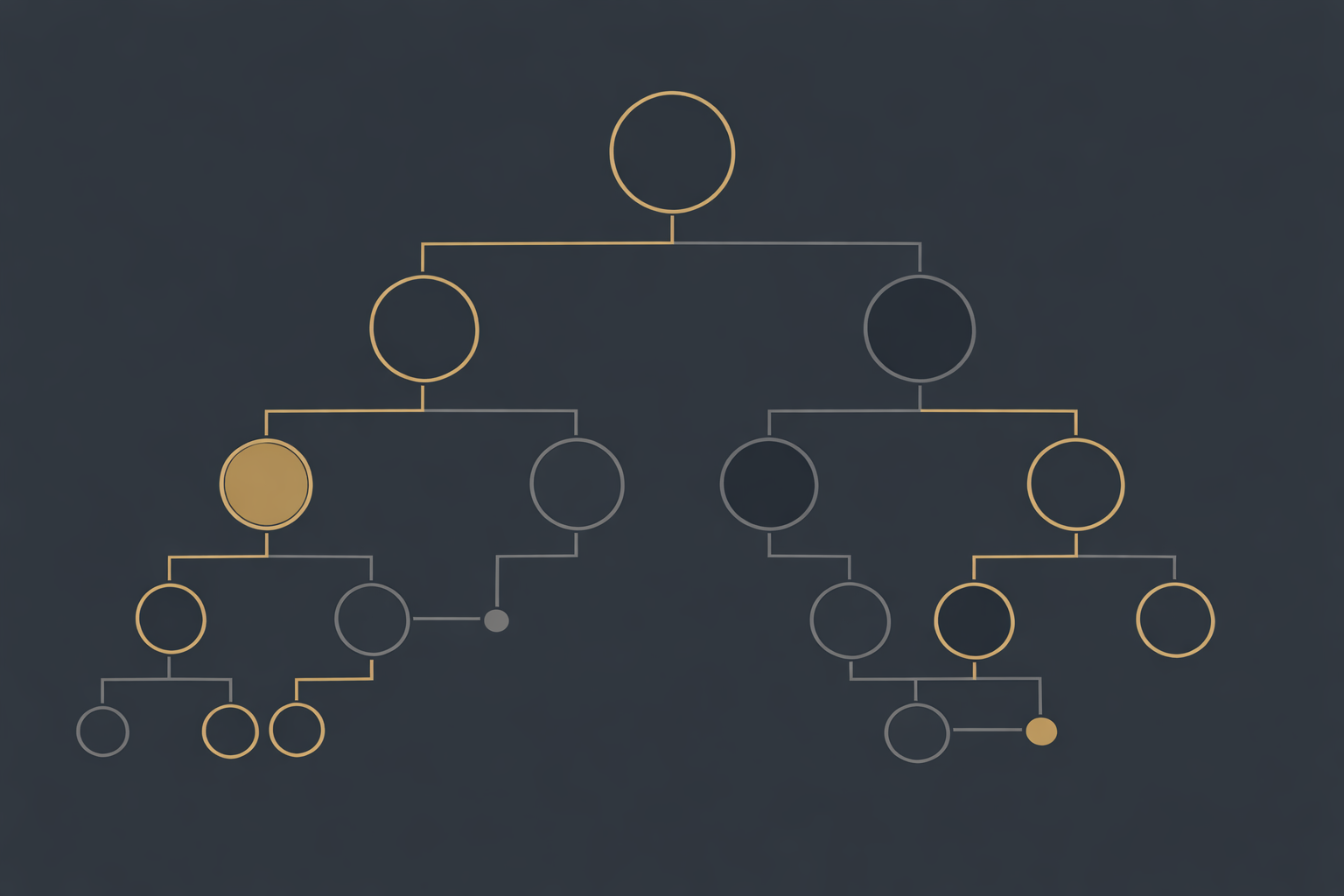
According to Article 6 of the AI Act, there are two primary ways an AI system is classified as high-risk. The first path relates to systems used as safety components of products already regulated by EU health and safety legislation. The second path involves standalone systems that fall into specific functional categories listed in the legislation.
Annex II: AI as a Safety Component
Under Article 6(1), an AI system is considered high-risk if it is intended to be used as a safety component of a product covered by the Union harmonization legislation listed in Annex II, and that product is required to undergo a third-party conformity assessment. This typically includes medical devices, industrial machinery, and pressure equipment. For large-scale manufacturers integrating AI into their physical product lines, this alignment with existing safety standards is the first checkpoint for compliance.
Annex III: Standalone High-Risk AI Systems
Most software-based enterprise AI deployments fall under Article 6(2), which references Annex III. This section lists specific use cases that are high-risk regardless of whether they are part of a physical product. These categories focus on areas where AI-driven decisions have significant impacts on individuals’ lives. Common enterprise examples include AI systems for recruitment, workforce management, credit scoring, and the evaluation of insurance premiums. If your organization is deploying agentic automation for internal HR or automated decision-making in retail finance, you are likely operating a high-risk system.
Critical High-Risk Categories for Enterprise and Retail
For large-scale enterprises and e-commerce retailers, three specific categories in Annex III deserve immediate attention. Misclassifying these systems can lead to fines of up to 7% of global annual turnover or 35 million Euro, whichever is higher. Before scaling new models, it is advisable to perform a comprehensive AI Readiness Test to map internal projects against these legal definitions.
Employment, Human Resources, and Management
The use of AI in the workplace is heavily regulated. Systems intended for recruitment, such as those used for advertising vacancies, screening applications, or evaluating candidates, are classified as high-risk. This also extends to AI used to make decisions on promotions, termination of contracts, and the monitoring or evaluation of performance. For organizations modernizing legacy HR IT with AI, ensuring these systems meet the transparency and human oversight requirements of Article 14 is mandatory.
Access to Essential Private and Public Services
Retailers and financial institutions often deploy AI to evaluate creditworthiness or establish credit scores. Under Annex III, Point 5, these systems are high-risk because they determine an individual’s access to financial resources. Similarly, AI used for risk assessment and pricing in life and health insurance falls under this classification. At CONAIS, we help organizations transition these workflows into AI solutions that maintain audit-grade governance while utilizing advanced predictive analytics.
Biometric Identification and Categorization
While the AI Act prohibits certain intrusive uses of biometrics, many legitimate enterprise applications are classified as high-risk. This includes systems used for the remote biometric identification of individuals and systems used to categorize individuals based on protected characteristics. E-commerce retailers exploring facial recognition for secure payments or personalized in-store experiences must treat these as high-risk systems under the Article 6 framework.
Technical Requirements for High-Risk Systems
Once an AI system is identified as high-risk, the provider or deployer must adhere to a strict set of technical and organizational requirements. These are not merely suggestions but legal mandates that must be documented and ready for audit. You can view our full range of Our Services to see how we assist in implementing these technical controls.
- Risk Management System: Article 9 requires a continuous, iterative process that identifies and mitigates risks throughout the system’s entire lifecycle. This includes testing against potential biases and edge cases.
- Data Governance: Article 10 mandates that training, validation, and testing datasets must be relevant, representative, and, to the best extent possible, free of errors. This is particularly relevant for enterprises using Azure OpenAI where data residency and quality are paramount.
- Technical Documentation: Comprehensive documentation must be created before the system is placed on the market. This must demonstrate compliance and provide authorities with the information necessary to assess the system.
- Transparency and Provision of Information: Under Article 13, high-risk systems must be designed to ensure that operation is sufficiently transparent to enable deployers to interpret the system’s output and use it appropriately.
The Role of Human Oversight and Accuracy
High-risk classification necessitates a shift in how automated decision-making workflows are designed. Article 14 of the Regulation (EU) 2024/1689 emphasizes human oversight. Systems must be designed so that natural persons can oversee their functioning, intervene when necessary, and disregard or override the output in specific scenarios. This is a core component of responsible AI adoption that prevents the ‘black box’ problem common in legacy machine learning models.
Furthermore, Article 15 requires high-risk systems to achieve appropriate levels of accuracy, robustness, and cybersecurity. For enterprise leaders, this means moving beyond simple pilot projects toward robust, audit-ready architectures. Implementing Microsoft Copilot or custom Azure AI Foundry solutions requires a governance layer that ensures these performance metrics are monitored in real-time, especially when the AI influences critical business logic.
Implementing Governance in Enterprise Cloud Ecosystems
Most enterprises do not build AI in a vacuum; they integrate it into existing cloud ecosystems like Microsoft Azure or AWS. When dealing with high-risk systems, the shared responsibility model becomes more complex. While the cloud provider offers the infrastructure and base models, the enterprise remains responsible for the specific implementation, data inputs, and human oversight mechanisms.
Effective governance involves mapping every AI use case to a risk tier. For high-risk systems, this includes establishing a Quality Management System (QMS) as required by Article 17. This system ensures that all compliance steps—from data logging to post-market monitoring—are followed consistently across the organization. This vendor-agnostic approach to governance is what allows firms to adopt cutting-edge technology without exposing themselves to regulatory jeopardy.
The Exception for Non-Significant Risk
It is important to note a nuance introduced in Article 6(3). An AI system that would otherwise fall under Annex III is not considered high-risk if it does not pose a significant risk of harm. This applies if the system performs a narrow procedural task, improves the result of a previously completed human activity, or is used purely for preparatory steps. However, the burden of proof lies with the provider. Organizations must document this assessment and, in some cases, notify the relevant national authority. This ‘derogation’ should be used cautiously and only after a thorough legal and technical review.
Strategic Steps for CTOs and Data Leaders
The first step in any AI transition is an inventory of all existing and planned AI systems. Each system should be screened against the Annex III categories to determine its status. If a system is high-risk, the focus must shift to creating the technical documentation and risk management frameworks required by the law. This process should not be seen as a barrier to innovation but as a foundational step toward building trust with customers and stakeholders.
For retailers and large enterprises, the focus should be on automating the compliance process. Using tools like the TagDJ vision-AI catalog or Nova compliant voice agents can provide a template for how high-risk systems should be governed. These tools are designed with the EU AI Act in mind, ensuring that logging, transparency, and data quality are built-in from day one.
Conclusion
The EU AI Act high-risk classification represents a significant hurdle for enterprises, but it also provides a clear roadmap for responsible AI adoption. By identifying high-risk systems early and implementing the required governance frameworks, organizations can innovate with confidence. At CONAIS, we specialize in helping enterprises navigate these complexities, ensuring that your AI transition is both powerful and compliant. If you are ready to evaluate your current AI portfolio against the new regulatory standards, contact us to discuss your strategy.
Frequently asked questions
How do I know if my enterprise AI is high-risk under the EU AI Act?
An AI system is high-risk if it is a safety component of a regulated product (Annex II) or falls into specific categories like HR, credit scoring, or biometrics listed in Annex III of the Act.
What are the penalties for misclassifying a high-risk AI system?
Failure to comply with high-risk obligations can result in administrative fines of up to €35 million or 7% of total global annual turnover, depending on the severity and size of the organization.
Does using Azure OpenAI automatically make my system compliant?
No. While Azure provides secure infrastructure, the enterprise is responsible for the specific use-case classification, data governance, and human oversight required by the EU AI Act for high-risk applications.